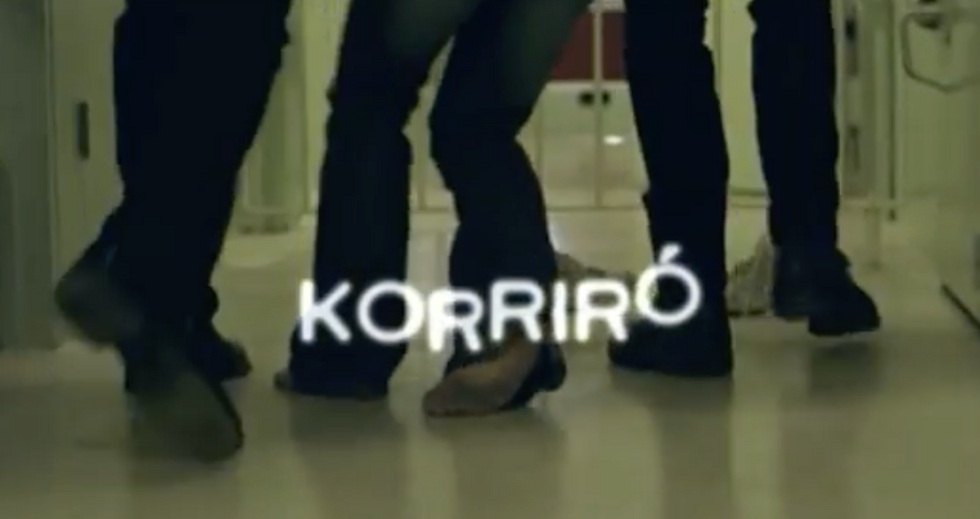

The film Korríró is about contrasts. The story is about an extraordinary woman in ordinary circumstances - and vice versa. Gullbrá Vilhjálmsdóttir (Gulla) lives in the gutter. She is mentally and personally challenged despite her relatively young age. When we first meet her, she is amnesiac and badly hungover in a prison cell on Hverfisgata. Trying to stand up is a monumental effort for this forty-something woman. The cold of the street takes over.
Everyday life is gray with only one bright spot to be found at the bottom of the bottle. We meet this particular woman on a day when she unexpectedly falls into a home that awaits most of life's goodies. After being rejected by society, she plays the "ordinary" housewife one afternoon as she adjusts to a world that has become so distant to her.
The home is bright and filled with beautiful things and colorful clothes and furniture. Rich food and impeccable hospitality. It is as if she steps into a kind of dream world for a moment. In a way, it is like a dream when she is back in the cell behind bars. Did this really happen?
Does she belong in this world that she tasted? The film is conceived as a thought-provoking piece in the form of fiction about people who have their own afterimages and even role models in Icelandic society.
The story is based on the fairy tale about the Three Bears and Gullbrá, and the main character is named after her. Like the girl in the fairy tale, the main character is allowed to enter an unfamiliar home. She admires a world that is closed to her. She has access to the qualities of life that many people take for granted. The analogy with the fairy tale emphasizes the fairy tale world that she falls into.